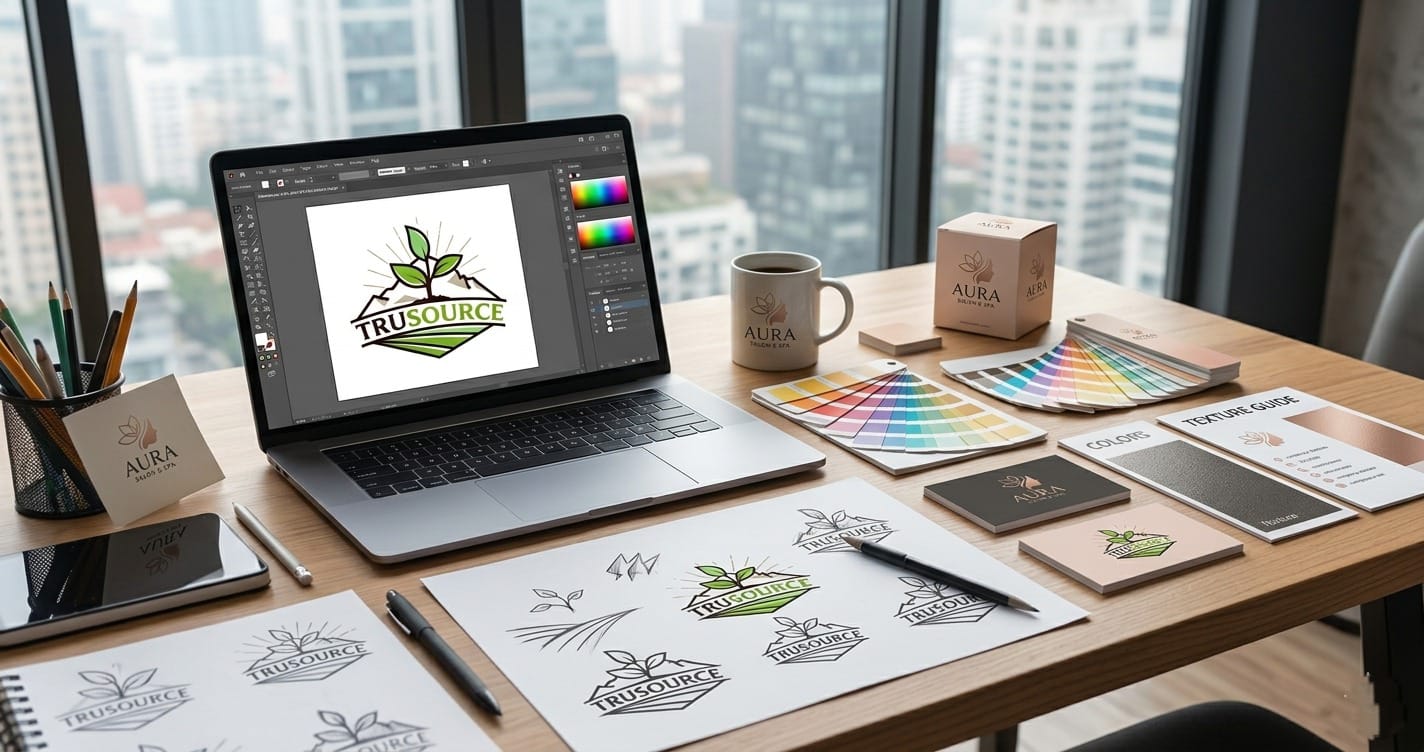
In today’s competitive digital world, your brand is more than just a name—it’s the complete experience people associate with your business. At the center of that identity lies your logo. A well-designed logo is not just visually appealing; it communicates your values, builds trust, and makes your business memorable.
In this guide, we’ll break down the essential elements of logo design and how you can create a strong brand identity that stands out.
What is Brand Identity?
Brand identity is the collection of all visual and emotional elements that represent your business. This includes:
- Logo
- Color palette
- Typography
- Imagery
- Tone of voice
Your logo acts as the foundation of this identity. It’s often the first thing customers notice, making it one of the most critical components of your brand.
Why Logo Design Matters
A strong logo does more than look good—it works strategically for your business.
1. First Impressions Count
Your logo is often the first interaction people have with your brand. A professional design instantly builds credibility.
2. Builds Recognition
Think of brands you instantly recognize—most likely, their logos come to mind first. A unique logo helps customers remember you.
3. Communicates Brand Values
Your design choices—colors, fonts, and shapes—send a message about your brand personality (modern, playful, luxury, etc.).
Logo Design Essentials
To create a powerful logo, focus on these core principles:
1. Simplicity is Key
A simple logo is easy to recognize and versatile across platforms.
Tip: Avoid clutter. Clean designs are more memorable.
2. Make it Memorable
Your logo should leave a lasting impression. Unique shapes or creative typography can help achieve this.
3. Choose the Right Colors
Colors play a psychological role in branding:
- Blue → Trust & professionalism
- Red → Energy & passion
- Green → Growth & nature
- Black → Luxury & sophistication
Pick 2–3 colors that align with your brand message.
4. Typography Matters
Fonts communicate personality:
- Serif fonts → Traditional & reliable
- Sans-serif fonts → Modern & clean
- Script fonts → Elegant & creative
Always ensure readability across devices.
5. Scalability & Versatility
Your logo should look great everywhere:
- Website
- Social media
- Business cards
- Mobile screens
Test your logo in different sizes and backgrounds.
6. Timeless Design
Avoid trends that may fade quickly. A timeless logo saves you from frequent redesigns and maintains brand consistency.
7. Relevance to Your Industry
Your logo should reflect what your business does. For example:
- Tech brands → clean and modern
- Creative agencies → bold and artistic
- Corporate firms → minimal and professional
Common Logo Design Mistakes to Avoid
- Overcomplicating the design
- Using too many colors or fonts
- Copying competitors
- Ignoring scalability
- Following trends blindly
Avoiding these mistakes can make a huge difference in how your brand is perceived.
How a Strong Logo Builds Brand Identity
A strong logo becomes the face of your business. When used consistently across all platforms, it helps:
- Build trust with customers
- Increase brand recognition
- Create emotional connection
- Support marketing efforts
Consistency is the key. Your logo should be used the same way across your website, social media, and promotional materials.
Final Thoughts
Creating a strong brand identity starts with a powerful logo. By focusing on simplicity, relevance, and consistency, you can design a logo that not only looks great but also supports your business growth.
Remember, your logo is an investment—not just a design. Take the time to get it right, and it will serve as a long-term asset for your brand.
SEO Keywords (for your reference)
- Logo design essentials
- Brand identity design
- Professional logo design tips
- Importance of logo in branding
- How to create a logo